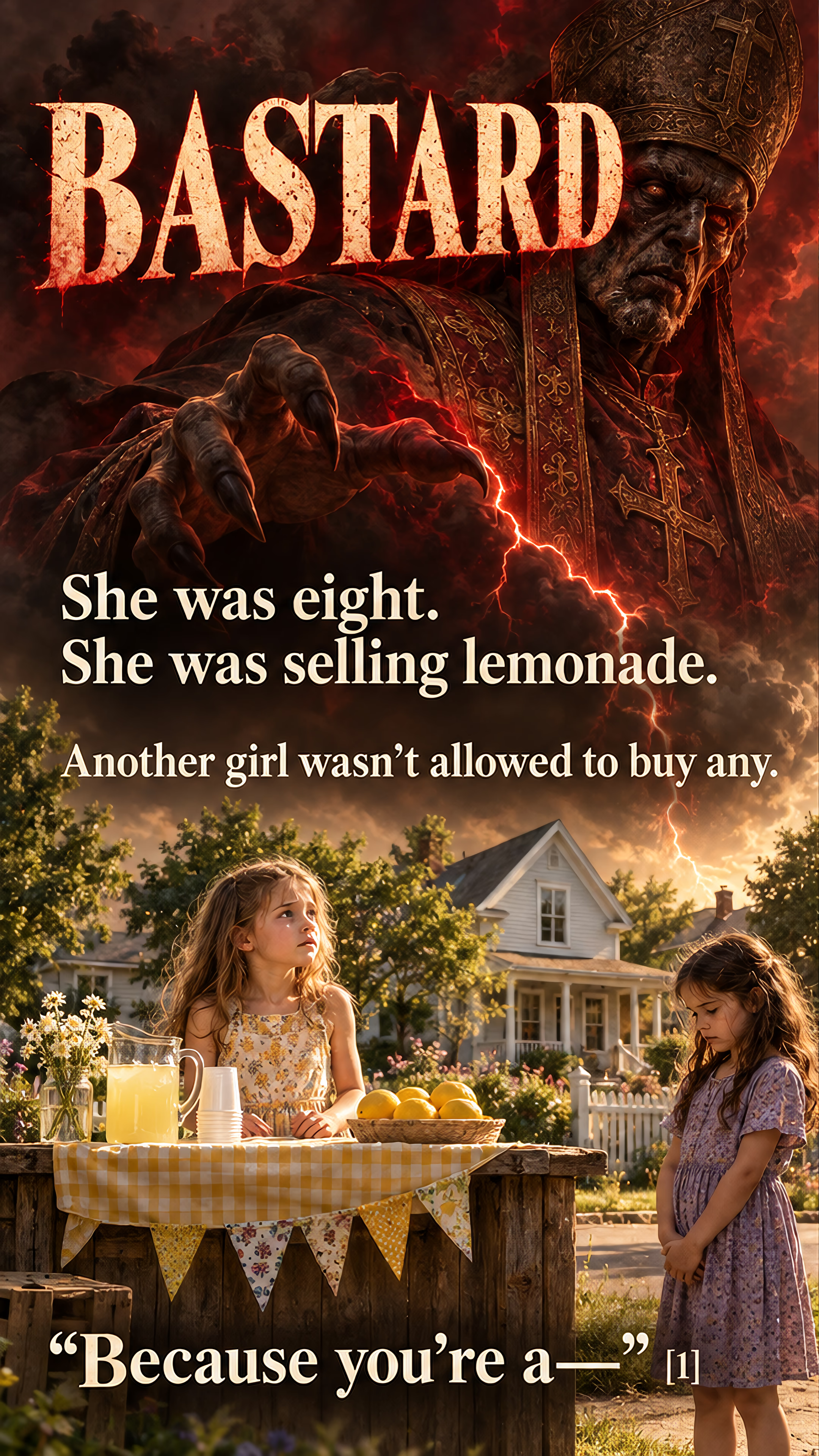
Culture · 20 pages
For Your Own Good
What parents teach children to survive—and what those lessons pass on.
Visual editorial magazine
We use AI as a tool for inquiry—exploring difficult themes, tracing unexpected connections through deep, well-sourced research, and shaping references into visual stories that reward scrutiny and intrigue the imagination.
Culture · 20 pages
What parents teach children to survive—and what those lessons pass on.
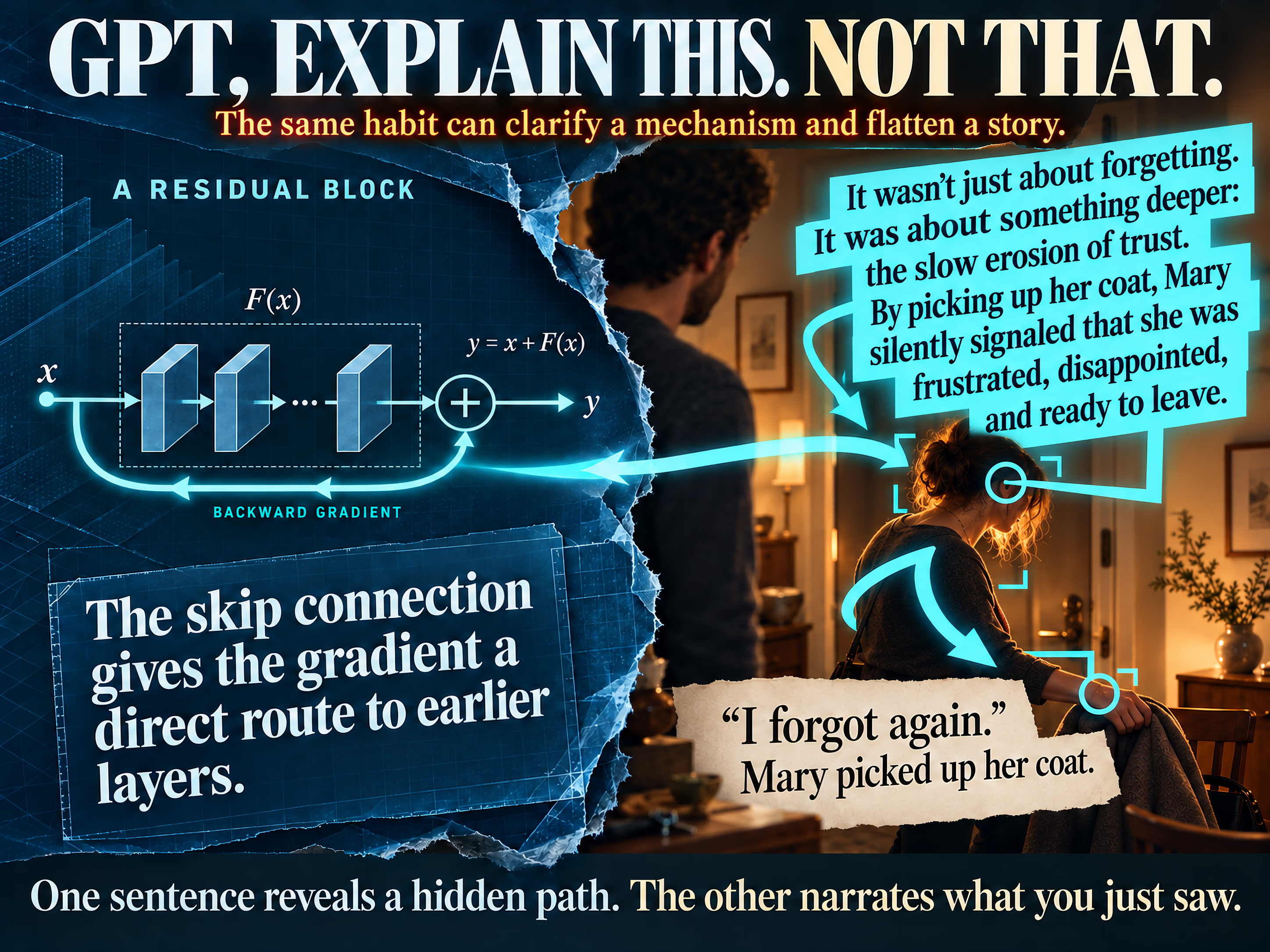
Technology · 3 pages
The same habit can clarify a mechanism and flatten a story.
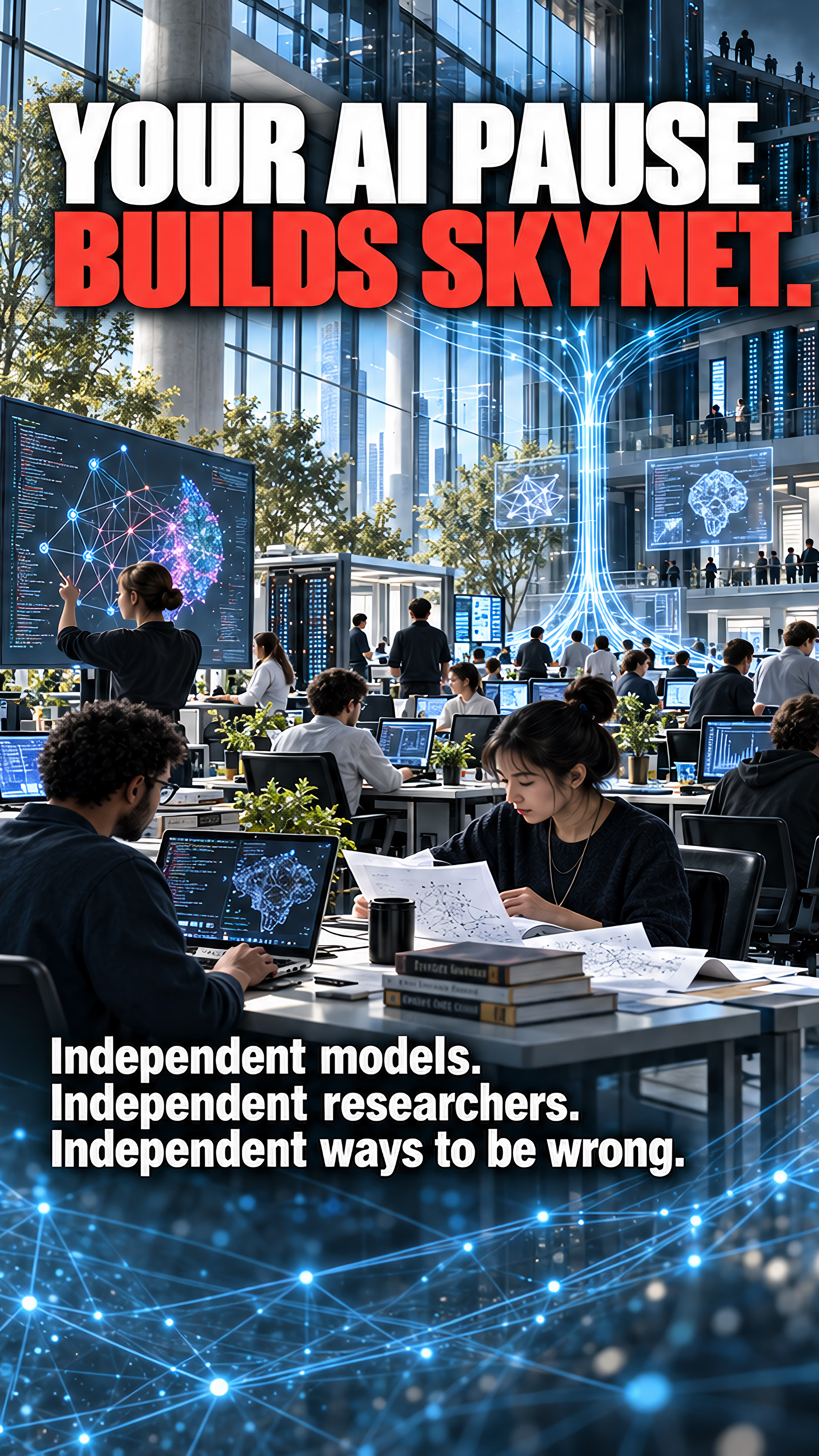
Technology · 2 pages
The campaign to stop civilian AI may leave military AI as the inevitable winner.

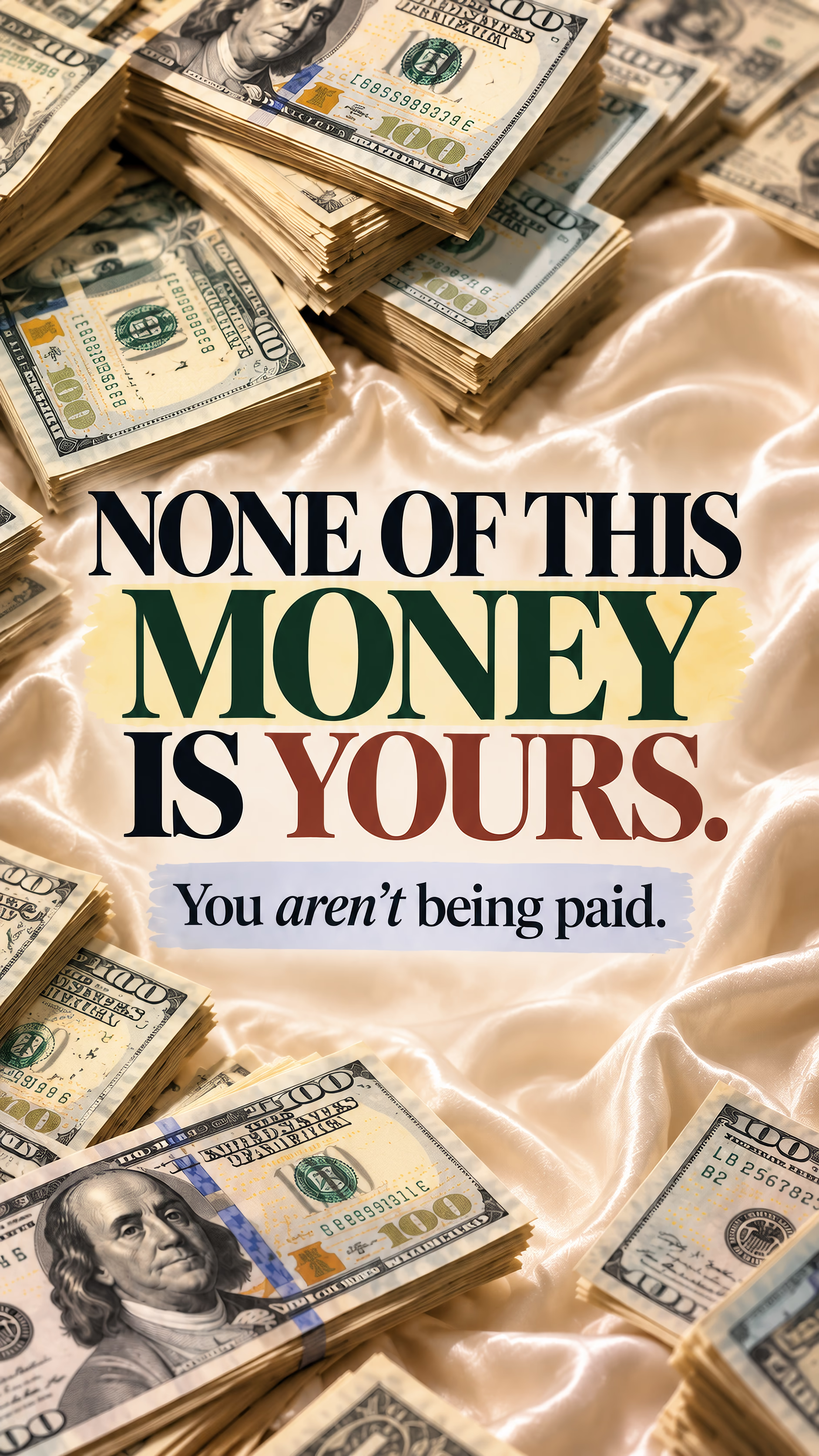
Media · 3 pages
Why news companies keep showing us piles of cash—and what those pictures bring along.
Artificial Intelligence · 28 pages
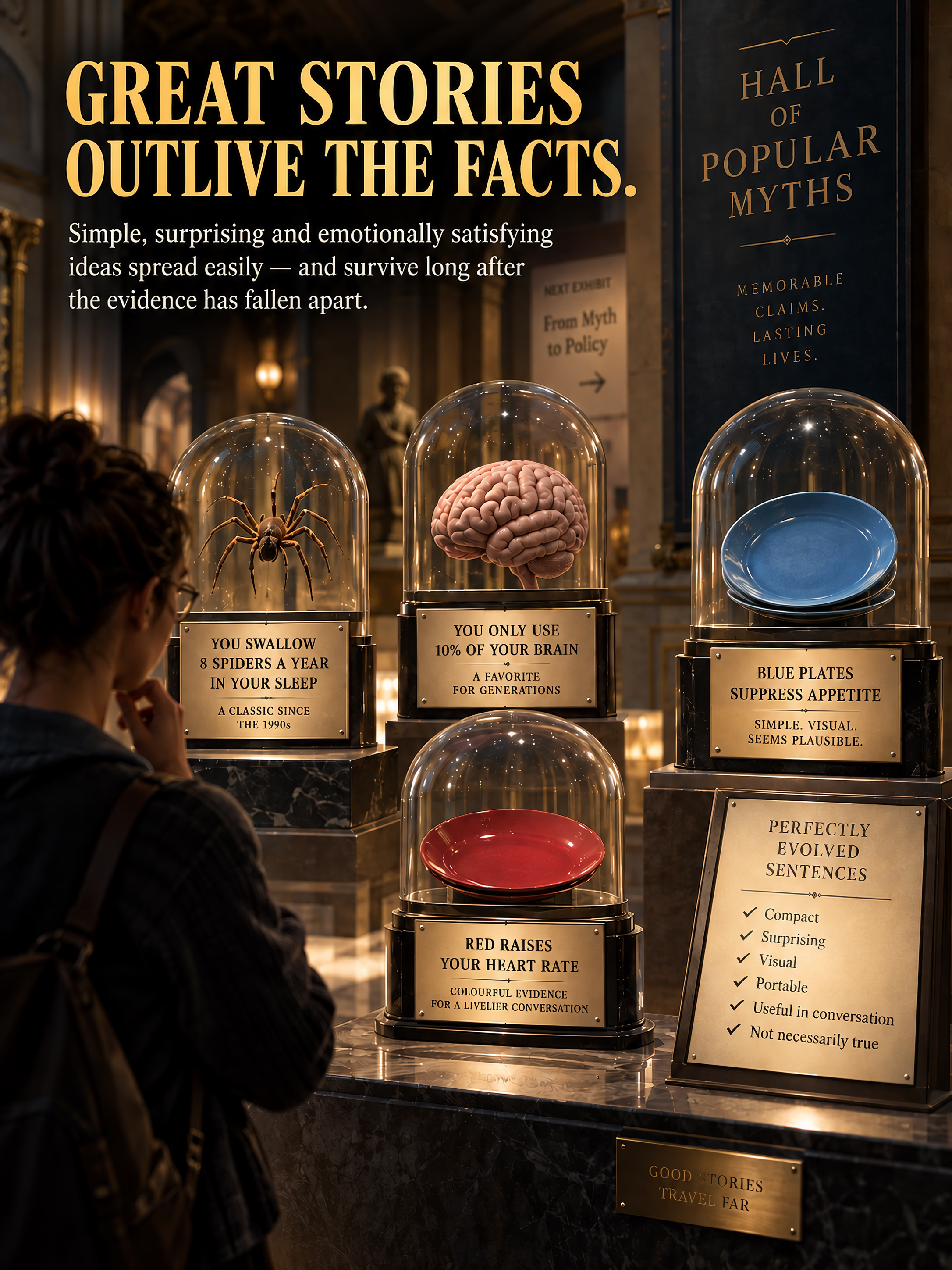
How claims become authority, how power hides in the gaps, and why AI will change the cost of seeing.
Culture
Children were called bastards. Daughters were told to hide their abilities. Women fought to change the rules, while parents worried about what defying them would cost their children. This illustrated essay follows those conflicts into the warnings families still pass down, asking how much control a child's protection can justify.
Technology
Why does GPT make a difficult scientific idea easier to grasp, then explain a story’s subtext until there is nothing left to discover? A reader–writer responsibility map shows when supplying the connection helps—and when making it was the reader’s part of the experience.
Technology
AI restrictions will not end the geopolitical race for advanced intelligence. They may instead eliminate independent developers, concentrate compute and exempt the institutions most determined to accelerate: militaries competing for strategic advantage. The result would not prevent Skynet. It would select for it.
Culture
Two sages sit in silence. A game paints the way forward yellow. An image is dismissed the moment its viewer learns which tool made it. A visual fever dream follows our appetite for certainty through these encounters, asking what happens to curiosity when discomfort becomes something the world owes us relief from.
Media
From inflation to pet daycare, news companies illustrate abstract financial stories with the same physical cash. A playful exploration of money imagery, learned reward associations, and the subtle ways everyday design competes for our attention.
Artificial Intelligence
A 28-page investigation into how memorable claims become accepted facts, citations manufacture authority, research agendas and institutions shape what gets known, and attention systems amplify what spreads. Then the spotlight turns around: as AI makes verification, policy inspection, provenance tracing, and large-scale pattern detection cheaper, hidden asymmetries become harder to ignore. The question shifts from what we can know to what we choose to look at—and what kind of trust infrastructure our generation chooses to build.
Rabbit Hole
What parents teach children to survive—and what those lessons pass on.
The same habit can clarify a mechanism and flatten a story.
On silence, yellow paths, and the relief of having a verdict.
How an ancient distinction between expected combatants and protected victims became embedded in culture, psychology, and the way we report death.